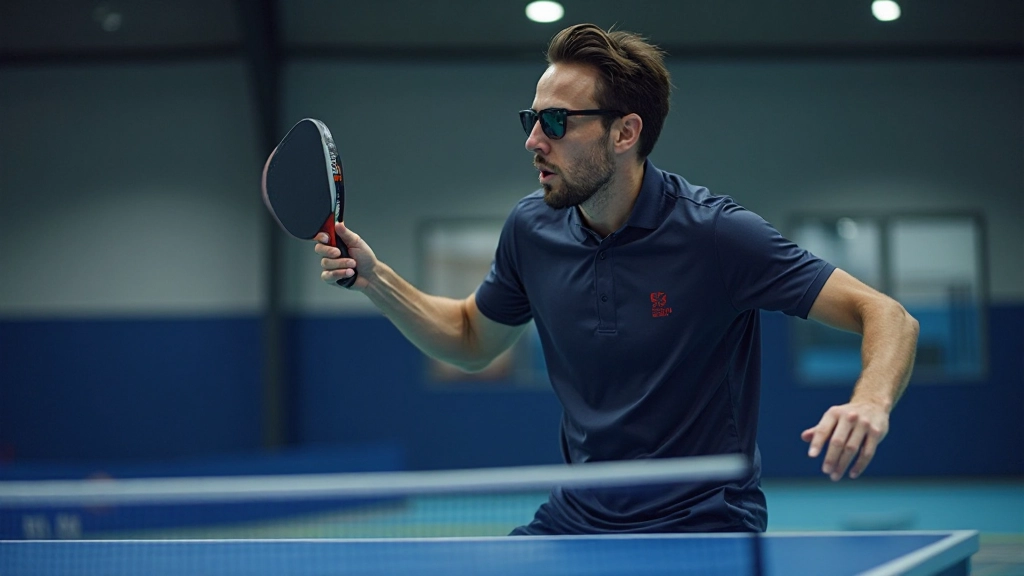
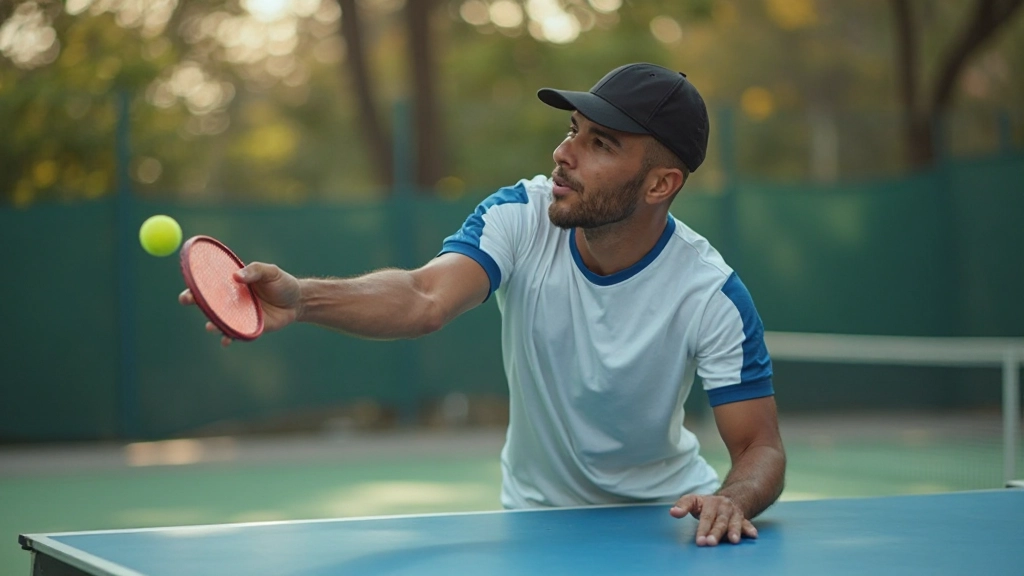
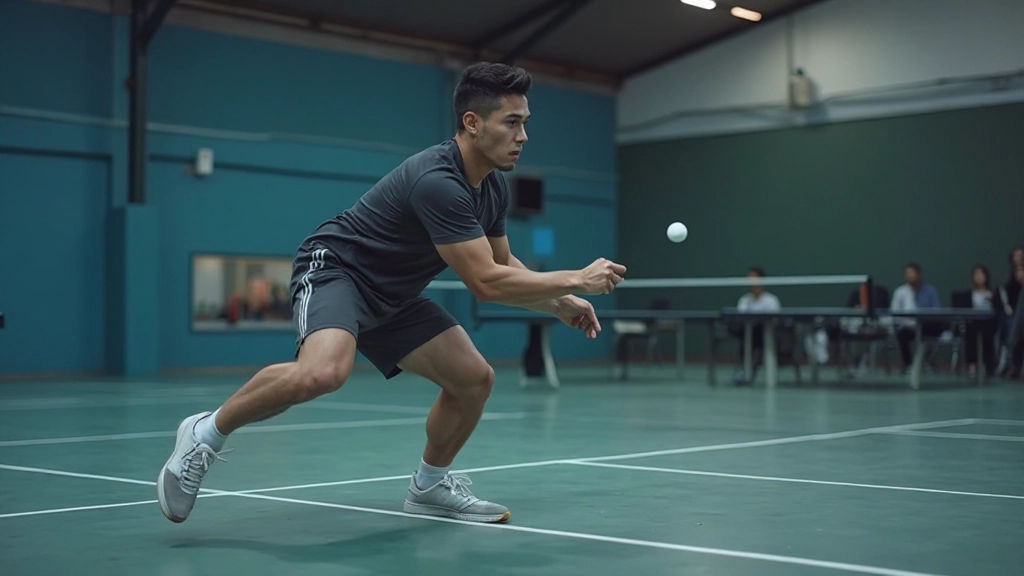
Badminton Training Techniques and Strategies
Master the fundamental techniques and tactical approaches that form the foundation of competitive badminton. This comprehensive guide explores effective training methodologies, net positioning strategies, and approaches to enhance your overall performance on the court.
Understanding Badminton Fundamentals
The foundation of badminton excellence begins with mastering essential techniques. Proper grip technique, stance positioning, and footwork form the cornerstone of consistent performance. These fundamental elements directly influence the quality and accuracy of every stroke executed during gameplay.
Developing a strong grip involves understanding the differences between the forehand and backhand holds. The forehand grip allows for powerful offensive shots, while the backhand grip provides control and precision on defensive strokes. Regular practice with grip transitions builds muscle memory, enabling players to switch between techniques smoothly during fast-paced rallies.
Stance positioning significantly impacts movement efficiency and shot execution. The neutral stance, where feet are positioned shoulder-width apart with weight balanced on the balls of the feet, provides optimal readiness for rapid directional changes. Maintaining proper posture throughout gameplay prevents fatigue and reduces injury risk during extended training sessions.
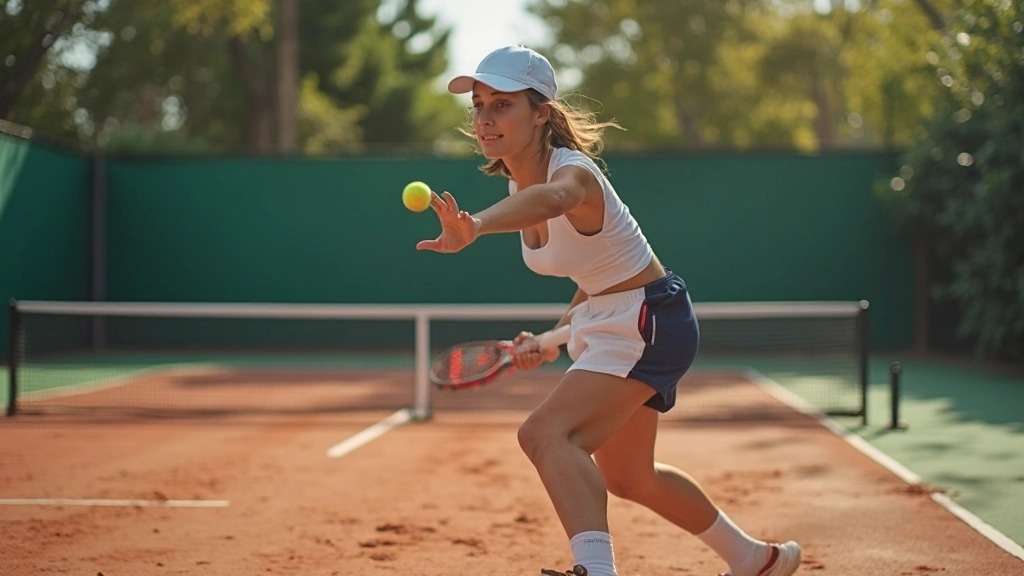
Core Training Techniques
Developing proficiency in specific badminton techniques requires focused practice and progressive skill advancement. The following core techniques represent essential components of a comprehensive training program.
Clear Shots
High trajectory shots that move the opponent to the back court, providing time to reposition and recover during rallies.
Smash Attacks
Aggressive overhead strokes executed from high positions to finish points quickly and maintain offensive momentum.
Drop Shots
Delicate strokes that land near the net, drawing opponents forward and creating opportunities for subsequent attacking shots.
Net Shots
Precise touch strokes performed close to the net that require excellent hand-eye coordination and racket control.
Drive Shots
Flat, fast strokes hit at net level that maintain pressure and allow limited reaction time for opponents.
Service Techniques
Varied serve approaches that establish initial court advantage and create tactical opportunities from the opening of each point.
Educational Information
This content provides informational material about badminton training techniques and strategies for educational purposes. Individual results and experiences with training methods may vary significantly based on factors such as personal fitness level, prior athletic experience, age, and dedication to practice. Before beginning any new training program, individuals should consult with qualified badminton coaches or sports medicine professionals to determine approaches suitable for their specific circumstances.
Training intensity, frequency, and methodology should be customized based on individual capabilities and goals. What works effectively for one player may require adjustment for another based on their unique athletic profile and objectives.
Competitive Strategies and Tactical Approaches
Success in badminton extends beyond technical proficiency to include strategic understanding of court positioning and tactical decision-making. Effective players develop comprehensive approaches that adapt to various opponent styles and match situations.
Court Positioning and Movement
Maintaining optimal court positioning requires constant awareness of your position relative to the shuttle and opponent. Center court positioning provides maximum coverage and reduces distance needed to reach shots in all directions. Effective footwork enables rapid adjustments following each shot to reestablish optimal positioning.
Shot Selection and Pattern Recognition
Developing the ability to recognize patterns in opponent play allows for anticipatory positioning and shot selection. Varying shot types and court targets prevents opponents from establishing predictable patterns. Strategic shot placement creates space and forces opponents into uncomfortable positions.
Net Control and Offensive Play
Establishing control at the net position provides significant tactical advantage during rallies. Net dominance allows execution of finishing shots and forces opponents into defensive positions. Aggressive net play with precise drop shots and angled strokes creates winning opportunities.
Pace and Rhythm Control
Manipulating the pace of rallies through variation in shot speed and court placement disrupts opponent rhythm. Alternating between aggressive attacking phases and controlled defensive play prevents predictability. Strategic tempo changes create opportunities for tactical advantages.
Mental Conditioning and Match Performance
Competitive badminton success depends substantially on mental strength alongside physical capabilities. Developing psychological resilience, maintaining focus during critical points, and managing pressure situations directly influences match outcomes. Mental conditioning training approaches include visualization techniques, pressure management strategies, and focus development methods.
- Visualization of successful shot execution and point completion
- Breathing techniques for managing anxiety during high-pressure moments
- Concentration development through focused practice drills
- Positive self-talk and confidence building approaches
- Resilience training for recovery following point losses
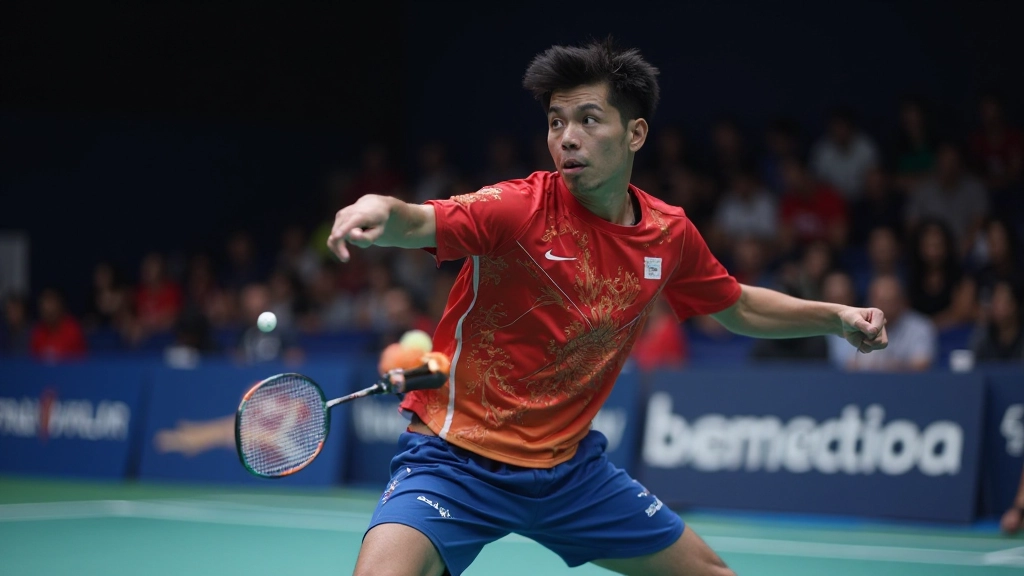
Key Takeaways for Badminton Training
Comprehensive badminton development requires systematic training of technical fundamentals, tactical understanding, physical conditioning, and mental resilience. Success emerges through consistent practice, attention to proper technique execution, and progressive advancement through increasingly challenging training scenarios. Effective training programs balance technical skill development with strategic understanding and competitive application.
Whether pursuing recreational enjoyment or competitive excellence, understanding these core training techniques and strategic approaches provides a structured framework for improvement. Regular practice with proper guidance, combined with commitment to continuous learning, enables sustained progress in badminton performance and competitive results.
Explore Related Content