Mastering Table Tennis Fundamentals
Discover the essential techniques and foundational skills that form the basis of competitive table tennis play. From proper grip mechanics to fundamental stroke patterns, this comprehensive guide explores the core elements every player should understand to develop consistency and improve performance on the court.
Understanding Grip and Stance
The foundation of table tennis begins with proper grip and stance. These elements directly influence your ability to control the paddle, generate power, and maintain balance during play. There are two primary grip styles in table tennis: the shakehand grip and the penhold grip.
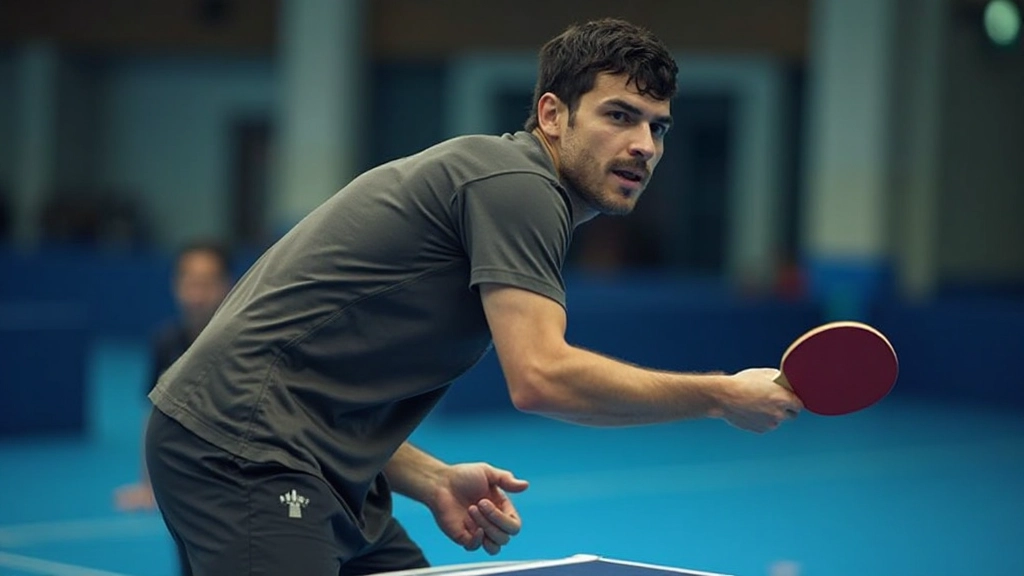
The shakehand grip, similar to shaking someone's hand, is the most widely used technique globally. This grip allows for versatile movement and balanced forehand-backhand play. When using the shakehand grip, your thumb and index finger hold the paddle handle while remaining fingers support the base. This configuration provides stability while allowing wrist mobility for varied shot angles.
Your stance forms the foundation for all table tennis movements. A proper stance involves standing with feet shoulder-width apart, knees slightly bent, and weight distributed on the balls of your feet. This position enables quick lateral movement and optimal weight transfer during strokes. The torso should remain relatively upright with shoulders facing slightly toward the net, allowing full range of motion in the arms.
- Keep knees flexed at approximately 15-20 degrees for explosive movement
- Position feet at a distance that allows comfortable reaching to both sides
- Maintain balance by distributing weight evenly on the balls of your feet
- Keep paddle in ready position at chest height between shots
Basic Stroke Techniques
Table tennis fundamentals encompass several essential strokes that form the foundation of the game. The forehand drive and backhand drive represent the primary attacking strokes, while push shots and loops develop defensive capabilities.
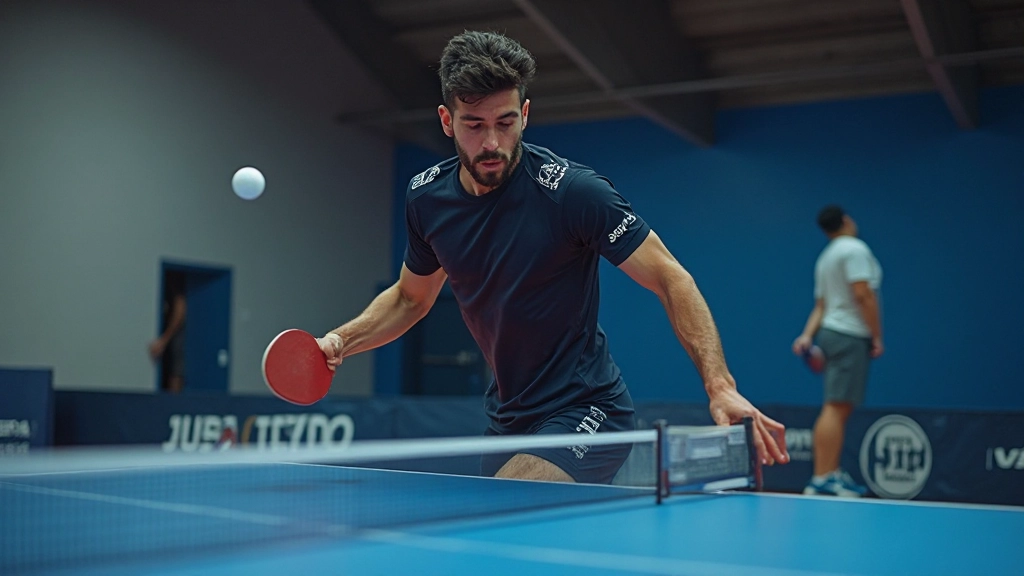
The forehand drive involves rotating your shoulders and hips while bringing the paddle back to approximately ear level. As the ball approaches, you accelerate forward and upward, making contact at the peak of the ball's bounce. The motion combines arm extension with body rotation, transferring weight from your back foot to your front foot. This technique generates both speed and consistency.
The backhand drive follows similar principles but executed on the non-dominant side. Players using the shakehand grip often find the backhand requires more precise timing. The backhand stroke should involve shoulder rotation and proper elbow positioning to maintain control and power generation.
Key Principle
Consistency in fundamental strokes matters more than attempting advanced techniques. Focus on repeatable mechanics before developing spin and speed variations.
Educational Information
This content provides educational information about table tennis techniques and training approaches. Individual development varies based on factors including practice frequency, coaching quality, athletic background, and personal commitment. For personalized instruction and assessment of proper form, working with a qualified table tennis coach is recommended. Results from applying these techniques depend on consistent practice and adaptation to individual playing style.
Serve and Return Fundamentals
The serve initiates every rally in table tennis and represents one of the few moments where you have complete control over ball placement and spin. Understanding serve fundamentals establishes an advantage at the beginning of each point.
Service Rules
The ball must start behind the end line and above table height. The serve should be tossed upward at least 16 centimeters. Contact occurs as the ball descends, and the ball must clear the net and land on the opponent's side.
Spin Variations
Different paddle angles and brush motions create topspin, backspin, and sidespin. Topspin serves tend to dip toward the net, while backspin serves can appear to float longer. Mixing spin variations disrupts opponent anticipation.
Return Strategy
Returning serve requires reading spin, positioning correctly, and executing consistent strokes. Focus on identifying spin type early and adjusting paddle angle accordingly. A solid return neutralizes the server's advantage.
Developing a reliable serve involves practice with consistent technique. Many players begin with basic topspin serves before adding variation and placement complexity. The backhand serve offers advantages in placement and deception due to the shorter motion. As skills develop, combining multiple serve types becomes strategically valuable.
Movement and Footwork Principles
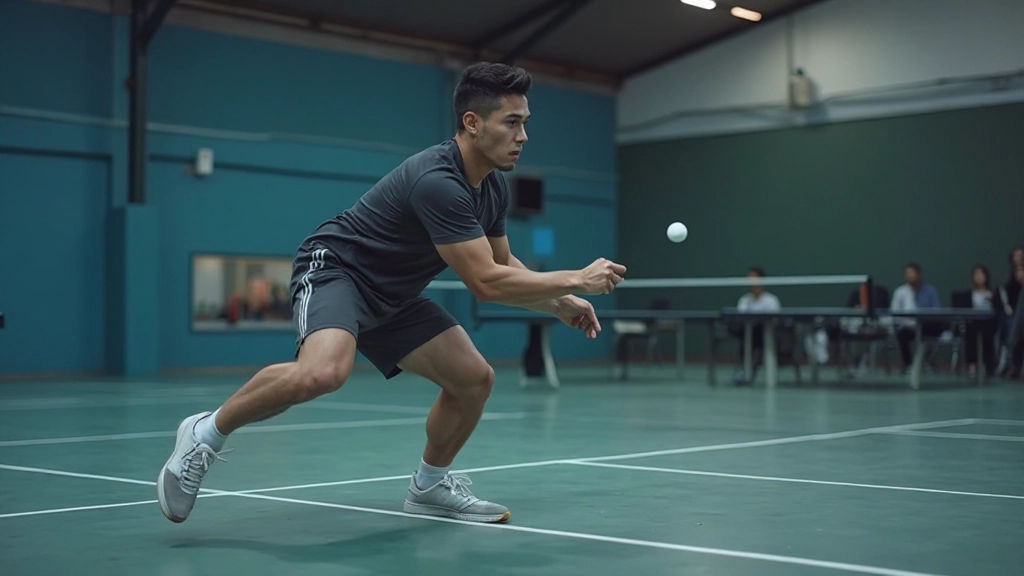
Efficient footwork enables players to position themselves optimally for each stroke. Poor footwork forces players to reach for the ball or play off-balance, reducing consistency and power. Table tennis demands quick, explosive movements from the ready position to the point of contact.
Ready Position
Return to the ready position after each stroke. This centered stance allows equal reaction time to both sides and maintains balance for the next movement.
Small Adjustment Steps
Use small, rapid adjustments to fine-tune positioning as the ball approaches. These micro-movements keep you balanced while maintaining optimal contact distance.
Split Step Timing
Execute a slight hop as your opponent makes contact. This split step loads your legs for explosive movement in either direction, improving reaction speed.
Recovery Movement
After executing your stroke, immediately recover toward the ready position. This constant movement maintains optimal court positioning and readiness for the next rally.
Players who develop strong footwork fundamentals notice immediate improvement in stroke consistency. The ability to reach the ball at the optimal contact point, typically at the peak of the bounce, directly correlates with shot quality. Many coaching resources emphasize footwork development as equally important as stroke technique, since even perfect form cannot compensate for poor positioning.
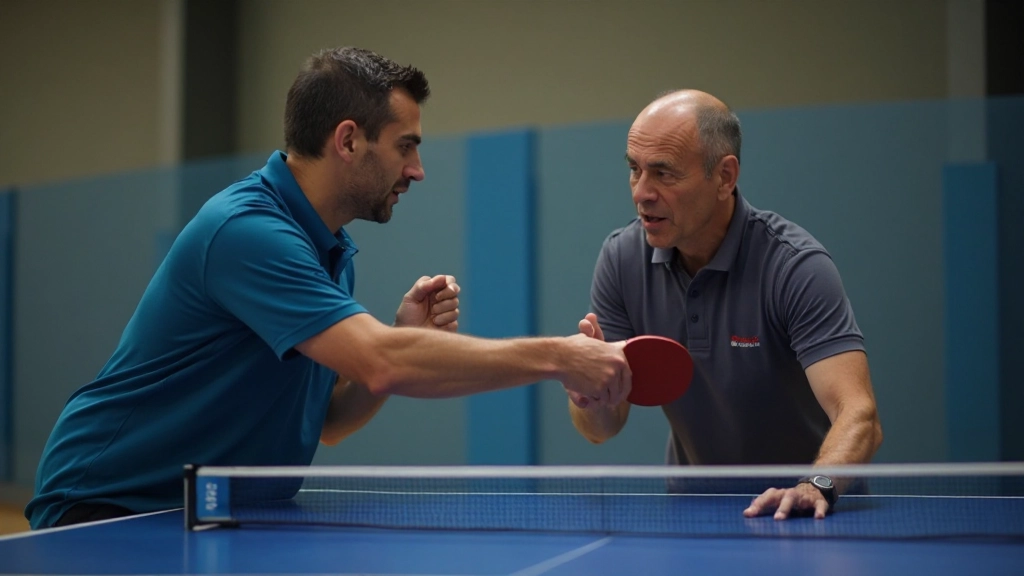
Structured Training and Development
Developing table tennis fundamentals requires structured practice with clear objectives. Effective training programs balance technique development, consistency building, and competitive application.
Repetitive practice of fundamental strokes builds muscle memory and consistency. Many coaches recommend multi-ball training, where coaches feed multiple balls in sequence, allowing players to focus on technique without retrieval time between shots. This approach accelerates learning by providing immediate feedback and numerous repetitions in short timeframes.
Match play against varied opponents exposes players to different styles and challenges their adaptation capabilities. Progressive competition, starting with practice matches and advancing to tournament play, develops the mental and physical skills necessary for sustained improvement.
- Dedicate practice sessions to specific techniques rather than random drilling
- Record practice sessions to analyze movement and stroke mechanics objectively
- Work with coaching professionals to identify technical deficiencies early
- Maintain consistent training frequency rather than irregular intensive sessions
Key Takeaways
Grip and Stance
Proper grip mechanics and balanced stance form the foundation for all table tennis movements, enabling control and power generation.
Basic Strokes
Mastering forehand drives, backhand drives, and defensive strokes provides the technical foundation for developing more advanced skills.
Movement Efficiency
Efficient footwork and positioning enable optimal contact points, directly improving stroke consistency and overall performance.
Structured Practice
Consistent, focused practice combined with coaching feedback accelerates skill development and builds lasting improvement.
Table tennis fundamentals form the foundation for competitive play and sustained improvement. Players who prioritize technique development through consistent practice and quality coaching establish strong bases for advancing to intermediate and advanced levels. Understanding these core concepts enables players to appreciate the sport's depth while building the skills necessary for continued progression.